Candles on a Birthday Cake: A Greek Offering
The tradition of placing candles on birthday cakes began as a way to honor the goddess Artemis with light.

Before you read
2 key words from this story
Highlight a sentence, leave a note
Select any sentence in the story to share what you think. Your notes appear right on the text, so your classmates can read them, react, and reply — exactly where it matters.
What it looks like
The river carved its path through the valley as the town looked on.
3 notes · click any highlight to read them
A Glowing Tradition
Every year, millions of people gather around a cake, light a few candles, and make a wish. It feels like a natural part of growing up, but have you ever wondered where this custom started? It is not just about celebrating another year; it is a ritual that connects us to ancient history in a surprising way.
The Goddess of the Moon
Historians believe the tradition began in Ancient Greece. People would bake round cakes to honor Artemis, the goddess of the moon and the hunt. The round shape of the cake represented the moon, which was a symbol of the goddess. To make the cake look even more like the glowing moon, they added lit candles to the top.
The Goddess of the Moon Historians believe the tradition began in Ancient Greece.
Light as an Offering
For the Greeks, the light from the candles was very important. It was seen as a way to send a message or an offering to the gods. By blowing out the candles, people believed their prayers or wishes would be carried up to the heavens by the smoke. This simple act of lighting a fire on food was a serious religious practice, not just a party game.
From Temples to Homes
Over many centuries, the practice moved from religious temples into private homes. By the 18th century, Germans began celebrating 'Kinderfest,' or children's birthdays, with cakes and candles. The tradition slowly spread across Europe and eventually the rest of the world, changing from a religious offering into the fun, personal celebration we know today.
A Modern Ritual
Today, we rarely think about Artemis when we light our candles. We focus on the number of years we have lived and the wish we hope will come true. Yet, every time you blow out those flames, you are participating in a ritual that is thousands of years old, proving that even our smallest habits have deep roots in the past.
You're done
You just spent 3 minutes reading in English.
Enjoyed this story?
Tap the heart to let other readers know you enjoyed it.
My notes
Jot down personal reflections while you read — saved so you can review them later.
Check your understanding
4 questions with instant feedback
Let's talk about it
4 questions to spark conversation
Join the conversation
Your English doesn't have to be perfect — your ideas are what matter.
Respond to a question
Or share your reaction
No thoughts yet — be the first to start the discussion.
More from today

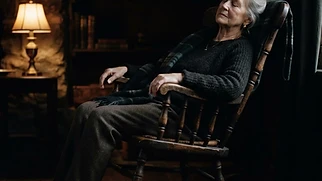
The Rocking Chair: A Cradle for Adults
Originally designed to help mothers soothe their babies, the rocking chair became a beloved piece of furniture for everyone.


The Tea Bag: An Accidental Success
A simple mistake by a tea merchant led to one of the most convenient ways to brew a cup of tea today.
🕳️ Want to go deeper?
Keep exploring
Why do we give birthday gifts?
How did the song 'Happy Birthday' become so popular?
Take It With You
A few useful things you picked up
From “Candles on a Birthday Cake: A Greek Offering”.
Useful Expressions
ritual
B2 · noun
a series of actions done in the same way, often for religious or social reasons
“Lighting candles on a cake is a birthday ritual.”
It is a useful word for describing cultural habits.
custom
B1 · noun
a habit or tradition that is common to a group of people
“It is a local custom to eat fish on Fridays.”
Essential for talking about culture and society.
Your English
You don’t need to memorise these now. You’ll meet useful language again as you keep reading.
See you tomorrow.
View your collection