Five Things That Happen When You Stop Drinking Coffee
Giving up caffeine triggers a series of physiological and psychological changes as the body adjusts to a new baseline of energy.

Before you read
4 key words from this story
The Initial Withdrawal
For many, the morning cup of coffee is a non-negotiable ritual. When you suddenly stop, the first thing you notice is the headache. Caffeine is a stimulant that narrows blood vessels in the brain; when you remove it, those vessels expand, leading to increased blood flow and the classic 'caffeine headache.' This usually peaks within 48 hours.
The Energy Rollercoaster
Without the artificial spike provided by caffeine, your body must learn to regulate its own energy levels. In the first few days, you might feel extreme fatigue. However, after about a week, many people report a more stable energy flow throughout the day. Instead of the 'crash' that follows a mid-afternoon espresso, you experience a consistent, natural alertness.
However, after about a week, many people report a more stable energy flow throughout the day.
Improved Sleep Quality
Caffeine has a long half-life, meaning it stays in your system for hours. By eliminating it, you likely fall asleep faster and experience deeper, more restorative sleep. Many former coffee drinkers report that they wake up feeling genuinely refreshed rather than needing a drink to 'jump-start' their brain.
Changes in Mood
Caffeine can increase anxiety and jitteriness in some individuals. Without it, you might notice a decrease in general irritability. While you may feel a bit 'foggy' at first, the long-term result is often a calmer, more balanced emotional state. You are no longer riding the highs and lows of a chemical stimulant.
The New Baseline
After a few weeks, your body reaches a new equilibrium. You might find that you are more sensitive to other sources of energy, like hydration and nutrition. You stop relying on an external substance to dictate your mood and focus, allowing you to understand your body's natural rhythms much more clearly.
You're done
You just spent 3 minutes reading in English.
Enjoyed this story?
Tap the heart to let other readers know you enjoyed it.
My notes
Jot down personal reflections while you read — saved so you can review them later.
Check your understanding
4 questions with instant feedback
Let's talk about it
4 questions to spark conversation
Join the conversation
Your English doesn't have to be perfect — your ideas are what matter.
Respond to a question
Or share your reaction
No thoughts yet — be the first to start the discussion.
More from today

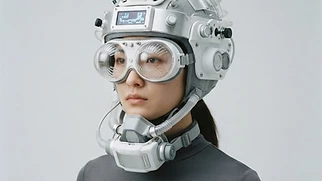
The Hayfever Hat: A Lesson in Bizarre Design
An exploration of 'Chindogu', the Japanese art of creating 'un-useless' inventions that solve problems in the most inconvenient ways possible.

The Inuit Goggles: A Survival Innovation
Long before modern sunglasses, the Inuit people developed ingenious bone goggles to protect their eyes from the harsh glare of the Arctic sun.
🕳️ Want to go deeper?
Keep exploring
How did coffee become a global commodity?
What are the psychological effects of other common daily habits?
Take It With You
A few useful things you picked up
From “Five Things That Happen When You Stop Drinking Coffee”.
Useful Expressions
stimulant
C1 · noun
a substance that raises levels of physiological or nervous activity in the body
“Caffeine is the most widely used stimulant in the world.”
Key scientific term for the topic.
equilibrium
C1 · noun
a state in which opposing forces or influences are balanced
“It took time for his body to reach a new equilibrium.”
Useful for describing health and balance.
restorative
C1 · adjective
having the ability to restore health, strength, or well-being
“A good night's sleep is very restorative.”
Good for describing health benefits.
jitteriness
B2 · noun
a state of being nervous or unable to relax
“Too much coffee gives me a feeling of jitteriness.”
Commonly used to describe the side effects of caffeine.
Your English
You don’t need to memorise these now. You’ll meet useful language again as you keep reading.
See you tomorrow.
View your collection