Five Things That Happen When You Stop Drinking Coffee
Giving up caffeine can change your body and mind in surprising ways, from better sleep to different energy levels.

Before you read
4 key words from this story
The Morning Habit
Millions of people start their day with a cup of coffee. It is a global ritual that helps us wake up and feel ready for work. Caffeine is a stimulant that keeps us alert. But what happens if you decide to stop drinking it? Your body has become used to this daily boost, so quitting can lead to some interesting changes.
The First Few Days
If you stop drinking coffee suddenly, you might feel tired or get a headache. This is because your brain is used to the caffeine. When the caffeine is gone, your blood vessels expand, which can cause pain. Many people feel grumpy or have trouble focusing during the first three days. It is your body's way of saying it misses the routine.
Your body has become used to this daily boost, so quitting can lead to some interesting changes.
Better Sleep Quality
One of the biggest benefits of quitting coffee is better sleep. Caffeine stays in your system for many hours. Even if you drink it in the morning, it can affect how deeply you sleep at night. After a week without coffee, many people find that they fall asleep faster and wake up feeling more refreshed. You might not need that morning cup as much as you thought.
Stable Energy Levels
Coffee gives you a quick spike of energy, but then you often feel a 'crash' later in the day. Without coffee, your energy levels become more stable. You might not feel that high-energy rush, but you also won't feel the sudden drop in the afternoon. Your body learns to manage its own energy throughout the day.
A New Taste for Life
Finally, you might notice that you enjoy other drinks more. Without the strong taste of coffee, your taste buds can become more sensitive. You might start to appreciate the subtle flavors of herbal tea or even just plain water. Quitting coffee is not just about the caffeine; it is about changing your relationship with what you consume every day.
You're done
You just spent 3 minutes reading in English.
Enjoyed this story?
Tap the heart to let other readers know you enjoyed it.
My notes
Jot down personal reflections while you read — saved so you can review them later.
Check your understanding
4 questions with instant feedback
Let's talk about it
4 questions to spark conversation
Join the conversation
Your English doesn't have to be perfect — your ideas are what matter.
Respond to a question
Or share your reaction
No thoughts yet — be the first to start the discussion.
More from today

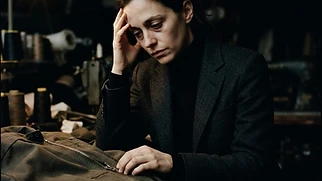
The Zipper: A Century of Failure
The zipper was invented in the 19th century but took decades to become a common part of our clothing.


The Corkscrew: A Tool Born from Guns
The simple device used to open wine bottles has a surprising origin linked to 18th-century military technology.
🕳️ Want to go deeper?
Keep exploring
How does caffeine affect the brain's chemistry?
What are the healthiest alternatives to coffee?
Take It With You
A few useful things you picked up
From “Five Things That Happen When You Stop Drinking Coffee”.
Useful Expressions
stimulant
B2 · noun
a substance that makes you feel more active or alert
“Coffee is a common stimulant for many people.”
Useful for discussing health and biology.
routine
A2 · noun
the things you do regularly at the same time
“My morning routine includes a shower and breakfast.”
A very common word for everyday life.
stable
B1 · adjective
not changing much, steady
“He has a stable job that he likes.”
Useful for describing moods, jobs, or energy.
consume
B2 · verb
to eat or drink something
“We consume too much sugar in our diet.”
A formal but useful alternative to 'eat' or 'drink'.
Your English
You don’t need to memorise these now. You’ll meet useful language again as you keep reading.
See you tomorrow.
View your collection