Forks Were Once Considered Dangerous
A look at how the common dining fork was once viewed with suspicion and fear in Europe.
Before you read
4 key words from this story
A Tool of the Devil
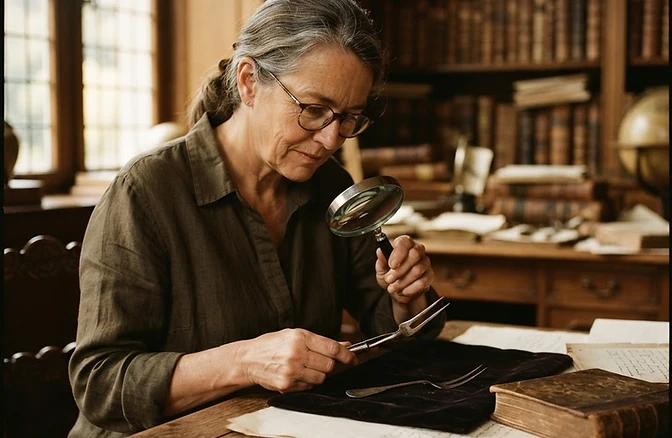
Today, the fork is a standard part of every kitchen. We use it for almost every meal without thinking twice. However, when the fork first arrived in Europe from the Byzantine Empire in the 11th century, it was not welcomed. In fact, many people were horrified by it. They believed that using a metal prong to touch food was an insult to God.
The Venetian Scandal
One famous story involves a Byzantine princess who married a Venetian leader in 1004. She brought her own golden forks to the dinner table. The local people were shocked. They thought it was a sign of vanity and pride. When the princess died shortly after, some people even claimed it was God's punishment for her use of such a 'satanic' tool.
However, when the fork first arrived in Europe from the Byzantine Empire in the 11th century, it was not welcomed.
A Slow Change in Habits
For centuries, most people in Europe continued to eat with their hands or with knives. The fork was seen as a luxury for the very rich, and even then, it was often avoided. It wasn't until the 15th century, when eating candied fruits became popular, that the fork finally found a purpose. Because the fruit was sticky, people needed a way to eat it without getting their hands dirty.
From Luxury to Necessity
Slowly, the fork moved from the tables of royalty to the homes of ordinary people. It took a long time for society to accept that a tool could make eating cleaner and more civilized. By the 18th century, the fork was finally a common sight across the continent, losing its reputation as a dangerous or evil object.
The History on Your Plate
Next time you pick up a fork, remember that it wasn't always a simple piece of cutlery. It represents a long history of cultural change and the slow evolution of human manners. What we consider normal today was once a radical and controversial idea.
You're done
You just spent 3 minutes reading in English.
Enjoyed this story?
Tap the heart to let other readers know you enjoyed it.
My notes
Jot down personal reflections while you read — saved so you can review them later.
Check your understanding
4 questions with instant feedback
Let's talk about it
4 questions to spark conversation
Join the conversation
Your English doesn't have to be perfect — your ideas are what matter.
Respond to a question
Or share your reaction
No thoughts yet — be the first to start the discussion.
More from today

The Zipper: A Slow Path to Success
It took decades and several inventors to turn a complex 'clasp locker' into the simple, reliable zipper we use every day.


Cat Ears Controlled by Your Brain
A look at the Necomimi, a wearable gadget that uses brainwaves to move cat ears based on the user's focus or relaxation.
🕳️ Want to go deeper?
Keep exploring
How did table manners evolve in different cultures?
What other everyday objects were once considered 'evil' or 'dangerous'?
Take It With You
A few useful things you picked up
From “Forks Were Once Considered Dangerous”.
Useful Expressions
prong
B2 · noun
one of the thin, pointed parts of a fork
“Be careful not to poke yourself with the prongs of the fork.”
Essential for describing cutlery.
vanity
C1 · noun
too much pride in your own appearance or achievements
“Her vanity made her spend hours in front of the mirror every day.”
A useful word for discussing human behavior and history.
cutlery
B1 · noun
knives, forks, and spoons used for eating
“Please put the cutlery in the drawer after you wash it.”
A very common everyday word.
civilized
B2 · adjective
having a well-organized society and advanced culture
“It is not very civilized to talk with your mouth full.”
Useful for discussing social norms and history.
Your English
You don’t need to memorise these now. You’ll meet useful language again as you keep reading.
See you tomorrow.
View your collection