The Architecture of Silence: Why We Need Quiet Spaces
In an increasingly noisy world, the psychological and physiological necessity of silence is becoming a critical focus for urban planners and health experts alike.

Before you read
4 key words from this story
Highlight a sentence, leave a note
Select any sentence in the story to share what you think. Your notes appear right on the text, so your classmates can read them, react, and reply — exactly where it matters.
What it looks like
The river carved its path through the valley as the town looked on.
3 notes · click any highlight to read them
The Noise Epidemic
Modern life is defined by a constant, low-level hum of activity. From the roar of traffic to the persistent buzz of digital notifications, silence has become a rare commodity. While we often associate noise with annoyance, the impact of constant sound on our cognitive function and stress levels is profound. Research suggests that our brains are not designed to filter out the relentless barrage of urban noise, leading to a state of chronic mental fatigue.
The Biology of Quiet
Silence is not merely the absence of sound; it is a physiological state that allows the brain to recover. Studies have shown that even short periods of silence can stimulate the growth of new cells in the hippocampus, the region of the brain associated with memory and emotion. When we are exposed to silence, our nervous system shifts from a state of 'fight or flight' to one of rest and repair, lowering blood pressure and reducing the production of stress hormones like cortisol.
Research suggests that our brains are not designed to filter out the relentless barrage of urban noise, leading to a state of chronic mental fatigue.
Designing for Stillness
Recognizing the value of quiet, urban planners are beginning to integrate 'soundscapes' into city design. This involves creating parks, libraries, and pedestrian zones that act as acoustic buffers against the chaos of the city. These spaces are not just about aesthetics; they are essential infrastructure for public health. By providing pockets of silence, cities can help residents maintain their mental well-being in an environment that is otherwise designed to keep them in a state of constant stimulation.
The Digital Noise
Beyond physical noise, we face a new challenge: digital noise. The constant stream of information and the pressure to be 'always on' create a form of mental clutter that mimics the effects of physical noise. Just as we need quiet rooms, we need quiet digital spaces. Practicing intentional silence—stepping away from screens and disconnecting from the constant flow of data—is becoming a necessary skill for maintaining focus and creativity in the 21st century.
Reclaiming the Quiet
Ultimately, the pursuit of silence is an act of self-preservation. It is about recognizing that our brains require downtime to process information and regulate emotions. Whether it is through meditation, spending time in nature, or simply turning off the phone for an hour, reclaiming silence is a powerful way to improve our quality of life. In a world that never stops talking, the ability to listen to the quiet is a rare and valuable talent.
You're done
You just spent 3 minutes reading in English.
Enjoyed this story?
Tap the heart to let other readers know you enjoyed it.
My notes
Jot down personal reflections while you read — saved so you can review them later.
Check your understanding
4 questions with instant feedback
Let's talk about it
4 questions to spark conversation
Join the conversation
Your English doesn't have to be perfect — your ideas are what matter.
Respond to a question
Or share your reaction
No thoughts yet — be the first to start the discussion.
More from today
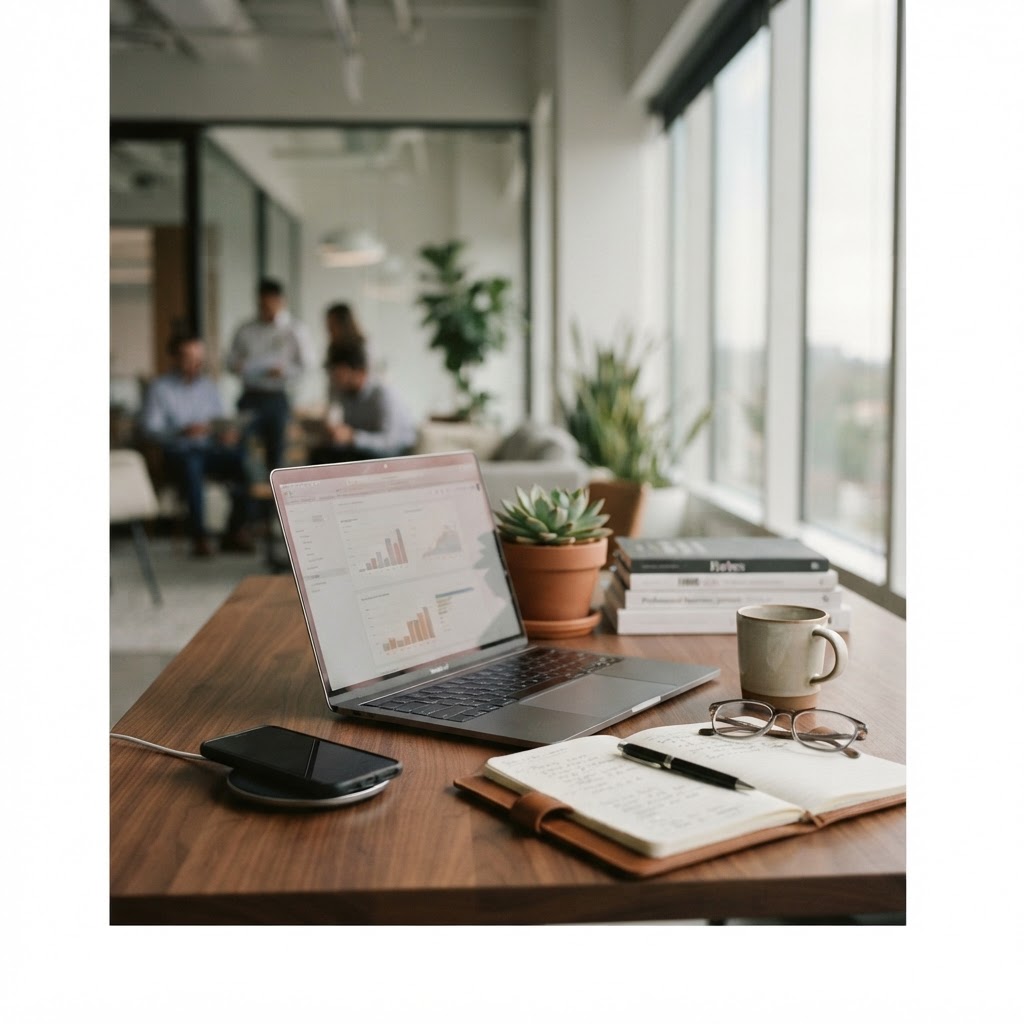
The Office: A History of the Modern Workspace
The physical design of the office has evolved from rigid hierarchies to open-plan layouts, reflecting changing attitudes toward work and collaboration.

The Velcro Story: A Walk in the Woods
A simple hike with a dog led to the invention of one of the world's most useful fastening systems.
🕳️ Want to go deeper?
Keep exploring
How does meditation change the structure of the brain?
What is the history of noise pollution laws in major cities?
Take It With You
A few useful things you picked up
From “The Architecture of Silence: Why We Need Quiet Spaces”.
Useful Expressions
Commodity
C1 · noun
A raw material or primary agricultural product that can be bought and sold.
“In modern cities, silence has become a rare and expensive commodity.”
Useful for discussing economic and social values.
Barrage
C2 · noun
A concentrated outpouring, as of questions or blows.
“We are constantly exposed to a barrage of digital notifications.”
A strong, descriptive word for overwhelming amounts of input.
Acoustic
C1 · adjective
Relating to sound or the sense of hearing.
“The room was designed with acoustic panels to reduce echo.”
Essential for discussing sound and environment.
Self-preservation
C1 · noun
The protection of oneself from harm or death.
“Taking time to rest is an act of self-preservation.”
A common term for prioritizing one's own well-being.
Your English
You don’t need to memorise these now. You’ll meet useful language again as you keep reading.
See you tomorrow.
View your collection