The Architecture of the Hearth: A History of the Home
Exploring how the central fireplace shaped human social structures and the evolution of domestic life.
Before you read
3 key words from this story
Highlight a sentence, leave a note
Select any sentence in the story to share what you think. Your notes appear right on the text, so your classmates can read them, react, and reply — exactly where it matters.
What it looks like
The river carved its path through the valley as the town looked on.
3 notes · click any highlight to read them
The Heart of the Home
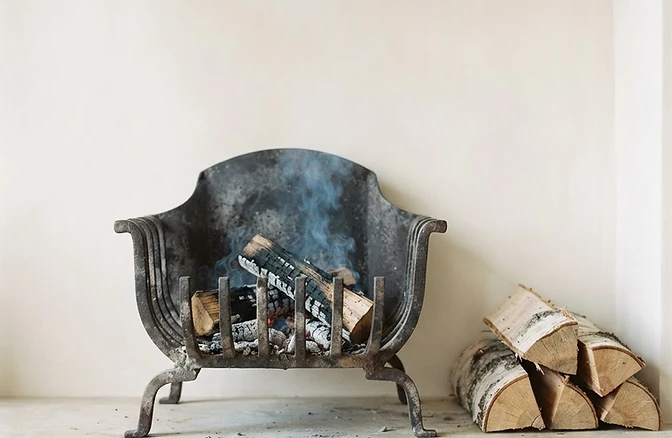
For centuries, the hearth was not merely a source of heat; it was the literal and metaphorical center of human existence. Families across Europe and beyond would gather around the fireplace to cook, share stories, and sleep. This shared space was so vital that the fire was rarely allowed to die out, serving as a constant anchor for the household.
A Shared Existence
In early domestic settings, the lack of private rooms meant that life was lived in a communal state. The hearth provided the light and warmth necessary for survival, forcing a level of intimacy that is largely absent in modern, compartmentalized homes. This shared environment dictated the rhythm of daily life, from the preparation of meals to the passing down of oral histories.
A Shared Existence In early domestic settings, the lack of private rooms meant that life was lived in a communal state.
The Shift to Privacy
As architecture evolved, the hearth began to lose its status as the sole focus of the home. The introduction of chimneys and separate rooms allowed for a more private existence, fundamentally changing how families interacted. The transition from a single-room dwelling to a multi-room house marked a significant shift in human social behavior, moving away from constant communal presence toward individual autonomy.
Modern Echoes
Even today, we see the legacy of the hearth in our desire for 'cozy' spaces. Despite our modern heating systems, the fireplace remains a powerful symbol of comfort and gathering. It reminds us of a time when our survival was tied to a single, shared point of light, and our social lives were defined by the people sitting right beside us.
You're done
You just spent 3 minutes reading in English.
Enjoyed this story?
Tap the heart to let other readers know you enjoyed it.
My notes
Jot down personal reflections while you read — saved so you can review them later.
Check your understanding
4 questions with instant feedback
Let's talk about it
4 questions to spark conversation
Join the conversation
Your English doesn't have to be perfect — your ideas are what matter.
Respond to a question
Or share your reaction
No thoughts yet — be the first to start the discussion.
More from today


The Strange Case of the 'Niu Lai' Cow Movie
How a low-budget, poorly animated film became a viral sensation in China, sparking debates about internet culture and AI.


Perfume: The Ancient Art of Speaking Through Smoke
Tracing the evolution of fragrance from sacred temple offerings to the modern synthetic industry.
🕳️ Want to go deeper?
Keep exploring
How did the invention of the chimney change social class?
What is the psychology behind our love for 'cozy' spaces?
Take It With You
A few useful things you picked up
From “The Architecture of the Hearth: A History of the Home”.
Useful Expressions
metaphorical
C1 · adjective
relating to or using a figure of speech where a word is applied to an object to which it is not literally applicable
“The hearth was the metaphorical heart of the home.”
Useful for discussing abstract concepts.
communal
C1 · adjective
shared by all members of a community; for common use
“They lived in a communal house with shared kitchen facilities.”
Essential for describing social living arrangements.
autonomy
C1 · noun
the right or condition of self-government; freedom from external control
“Teenagers often crave more autonomy as they grow older.”
A sophisticated term for independence.
Your English
You don’t need to memorise these now. You’ll meet useful language again as you keep reading.
See you tomorrow.
View your collection