The Just-World Fallacy: Why We Blame Victims
A psychological bias makes us believe that people get what they deserve, even when they don't.
Before you read
3 key words from this story
The Need for Fairness
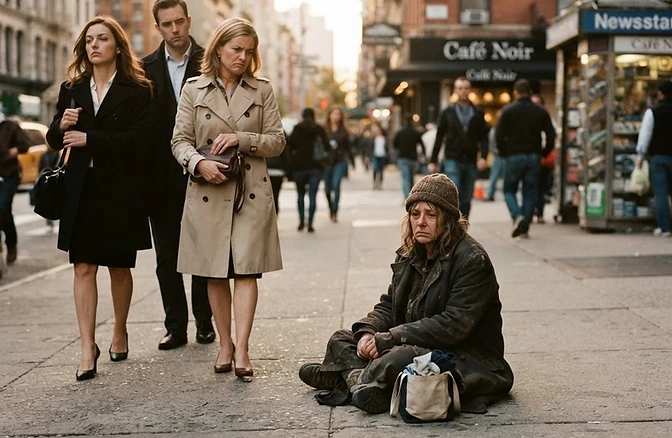
Have you ever heard someone say, 'They must have done something to deserve that'? It is a common reaction to bad news. Psychologists call this the 'just-world fallacy.' It is the belief that the world is a fair place where good things happen to good people and bad things happen to bad people. It is a comforting thought because it makes us feel like we have control over our own lives.
Why We Think This Way
Our brains like patterns and order. If we believe that the world is random and unfair, it creates anxiety. We want to believe that if we work hard and follow the rules, we will be safe. By blaming a victim for their misfortune, we are actually trying to protect our own sense of security. We tell ourselves, 'If I don't do what they did, that bad thing won't happen to me.'
By blaming a victim for their misfortune, we are actually trying to protect our own sense of security.
The Dark Side of the Bias
This way of thinking can be very harmful. When we see someone suffering, our first instinct might be to look for a reason why they are at fault. This stops us from feeling empathy. Instead of helping, we judge. This bias is often seen in how society treats people who are poor, sick, or victims of crime. It allows us to ignore systemic problems by focusing on individual 'mistakes.'
Challenging Our Instincts
Recognizing this fallacy is the first step to being more empathetic. The world is not always fair, and bad things often happen to people who did nothing wrong. Understanding that our brain is trying to protect us from fear can help us pause before we judge others. It allows us to move from a place of blame to a place of support.
A More Compassionate View
When we accept that life has a lot of randomness, we can become more helpful. We stop looking for reasons to blame others and start looking for ways to make the world actually fairer. It is a difficult shift, but it is necessary for a more kind and understanding society. We don't have to be victims of our own psychological biases.
You're done
You just spent 3 minutes reading in English.
Enjoyed this story?
Tap the heart to let other readers know you enjoyed it.
My notes
Jot down personal reflections while you read — saved so you can review them later.
Check your understanding
4 questions with instant feedback
Let's talk about it
4 questions to spark conversation
Join the conversation
Your English doesn't have to be perfect — your ideas are what matter.
Respond to a question
Or share your reaction
No thoughts yet — be the first to start the discussion.
More from today


The Toothbrush: From Twigs to Modern Bristles
A look at how humans have maintained dental hygiene throughout history, evolving from simple sticks to the mass-produced tools we use today.


The Economics of Time: Why We Wait
Waiting is not just a waste of time; it is a complex psychological and economic experience that shapes how we value our lives.
🕳️ Want to go deeper?
Keep exploring
How does the 'bystander effect' relate to this?
Can we train our brains to be less biased?
Take It With You
A few useful things you picked up
From “The Just-World Fallacy: Why We Blame Victims”.
Useful Expressions
fallacy
C1 · noun
a false or mistaken idea
“It is a common fallacy that money brings happiness.”
Useful for discussing logic and common misconceptions.
misfortune
B2 · noun
bad luck or an unlucky event
“She had the misfortune of losing her job during the crisis.”
A more precise word than 'bad luck'.
empathy
B2 · noun
the ability to understand how someone else feels
“He showed great empathy for his friend's situation.”
Essential for talking about human emotions.
Your English
You don’t need to memorise these now. You’ll meet useful language again as you keep reading.
See you tomorrow.
View your collection