Eyeglasses Were Once a Sign of Weakness
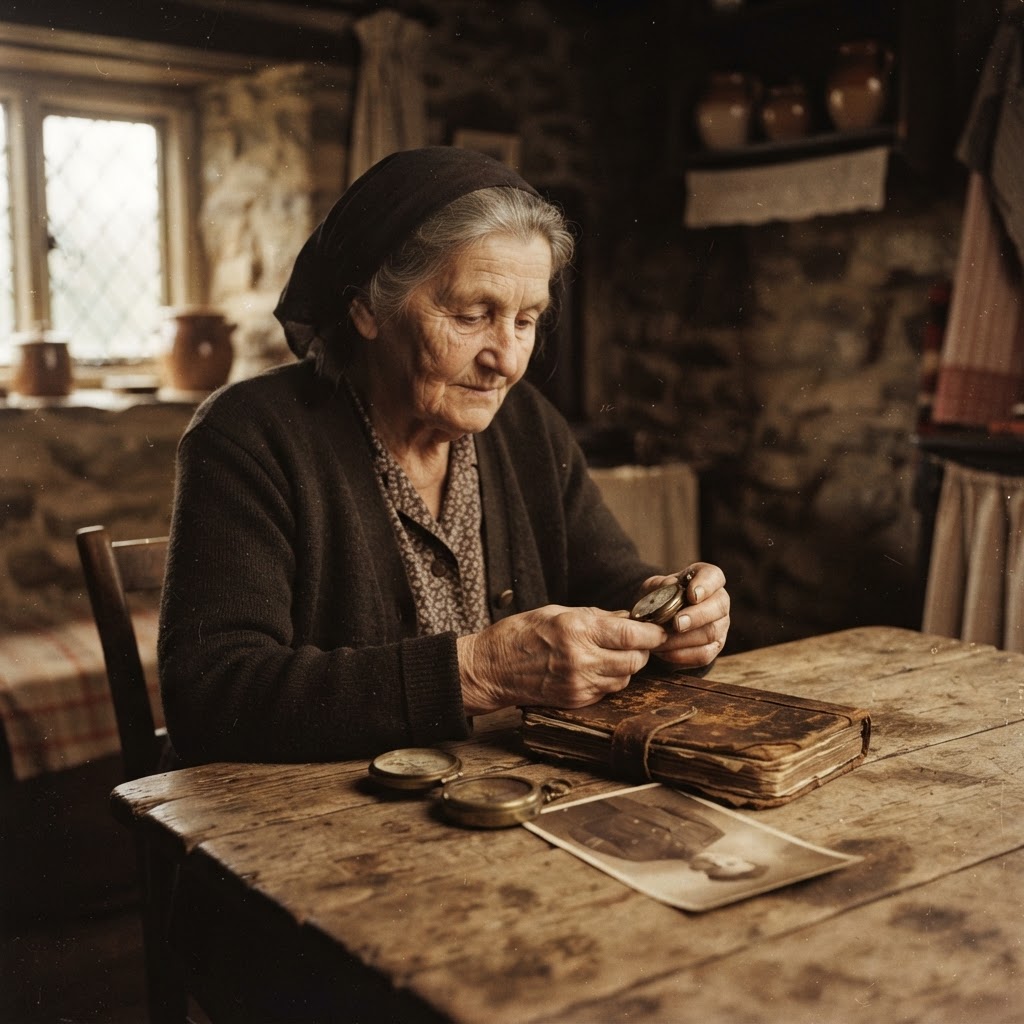
Before they became a common fashion accessory, eyeglasses were viewed with suspicion and seen as a sign of physical decline.
Before you read
3 key words from this story
Highlight a sentence, leave a note
Select any sentence in the story to share what you think. Your notes appear right on the text, so your classmates can read them, react, and reply — exactly where it matters.
What it looks like
The river carved its path through the valley as the town looked on.
3 notes · click any highlight to read them
A New Way to See
Today, millions of people wear glasses to read, drive, or work. They are a normal part of life, and many people even choose frames that match their personal style. However, this was not always the case. For centuries, the idea of needing help to see was seen as a personal failure or a sign of getting old.
The Early Days of Vision
In the Middle Ages, if your eyes started to fail, you simply had to accept it. There were no quick fixes. When the first wearable lenses appeared in Italy around the 13th century, they were expensive and rare. Only the very wealthy or the highly educated could afford them. Because they were so uncommon, people who wore them were often treated with curiosity or even fear.
When the first wearable lenses appeared in Italy around the 13th century, they were expensive and rare.
A Sign of Old Age
For a long time, glasses were only for reading. They were called 'reading stones' or simple spectacles. Because they were mostly used by older people who could no longer see small letters, they became a symbol of aging. To wear them was to admit that your body was losing its strength. In a world where physical ability was everything, this was not something people wanted to show off.
Changing the View
Everything changed when glasses became more affordable and easier to make. As literacy rates grew, more people needed to read for their jobs. Suddenly, glasses were not a sign of weakness; they were a tool for success. They allowed people to work longer and learn more. The stigma slowly disappeared as the technology became a standard part of the human experience.
From Tool to Fashion
Today, we have moved past the idea that glasses are just for the elderly or the weak. They are now a multi-billion dollar industry. From designer frames to contact lenses, we have embraced the technology that helps us see the world clearly. It is a perfect example of how a once-feared invention can become a normal, and even stylish, part of our daily lives.
You're done
You just spent 3 minutes reading in English.
Enjoyed this story?
Tap the heart to let other readers know you enjoyed it.
My notes
Jot down personal reflections while you read — saved so you can review them later.
Check your understanding
4 questions with instant feedback
Let's talk about it
4 questions to spark conversation
Join the conversation
Your English doesn't have to be perfect — your ideas are what matter.
Respond to a question
Or share your reaction
No thoughts yet — be the first to start the discussion.
More from today


Candles on a Birthday Cake: A Greek Offering
The tradition of placing candles on birthday cakes began as a way to honor the goddess Artemis with light.

The Rocking Chair: A Cradle for Adults
Originally designed to help mothers soothe their babies, the rocking chair became a beloved piece of furniture for everyone.
🕳️ Want to go deeper?
Keep exploring
How did the invention of the printing press change the need for glasses?
What are the most unusual fashion trends in history?
Take It With You
A few useful things you picked up
From “Eyeglasses Were Once a Sign of Weakness”.
Useful Expressions
spectacles
B2 · noun
An old-fashioned word for eyeglasses.
“He put on his spectacles to read the newspaper.”
It is a useful historical term for glasses.
stigma
C1 · noun
A feeling of shame or disapproval that people have about something.
“There is no longer a stigma attached to wearing glasses.”
It helps describe social attitudes toward certain behaviors.
literacy
B2 · noun
The ability to read and write.
“The country has a high rate of literacy.”
It is a key concept in social and historical discussions.
Your English
You don’t need to memorise these now. You’ll meet useful language again as you keep reading.
See you tomorrow.
View your collection