High Heels Were Invented for Soldiers
Before they were a fashion statement, high heels were functional footwear designed to help Persian cavalrymen stay secure in their stirrups.
Before you read
3 key words from this story
A Surprising Military Origin
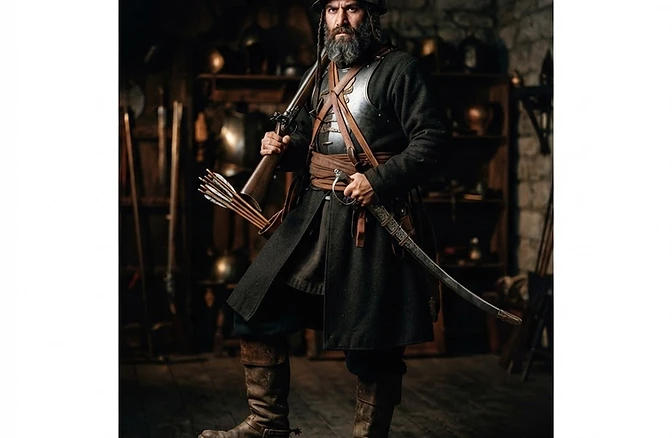
When we think of high heels today, we think of fashion, elegance, and perhaps a bit of discomfort. However, the history of the high heel is rooted in the rugged world of 10th-century Persian warfare. These shoes were not designed for walking down a runway, but for riding into battle. The heel served a very specific purpose: it helped the rider lock his foot into the stirrup, providing stability when standing up to shoot arrows from horseback.
From the Battlefield to the Court
By the 17th century, the high heel had migrated to Europe, where it became a symbol of status and masculinity. European aristocrats, including King Louis XIV of France, adopted the style to appear taller and more imposing. At the time, heels were a sign of power; they suggested that the wearer did not need to perform manual labor. If you were wearing heels, you were likely a person of wealth and influence.
The heel served a very specific purpose: it helped the rider lock his foot into the stirrup, providing stability when standing up to shoot arrows from horseback.
The Gender Shift
For a long time, heels were worn by both men and women. However, as the Enlightenment approached, fashion began to change. Men started to favor more practical, utilitarian clothing, and the high heel became increasingly associated with femininity. By the 18th century, men had largely abandoned the heel, leaving it to become a staple of women's fashion, where it has remained ever since.
A Legacy of Change
This transformation highlights how fashion is never static. What we consider 'masculine' or 'feminine' is often a product of historical context rather than biology. The high heel is a perfect example of how an object can change its meaning entirely over time, moving from a tool of war to a symbol of status, and finally to a fashion accessory.
You're done
You just spent 3 minutes reading in English.
Enjoyed this story?
Tap the heart to let other readers know you enjoyed it.
My notes
Jot down personal reflections while you read — saved so you can review them later.
Check your understanding
4 questions with instant feedback
Let's talk about it
4 questions to spark conversation
Join the conversation
Your English doesn't have to be perfect — your ideas are what matter.
Respond to a question
Or share your reaction
No thoughts yet — be the first to start the discussion.
More from today
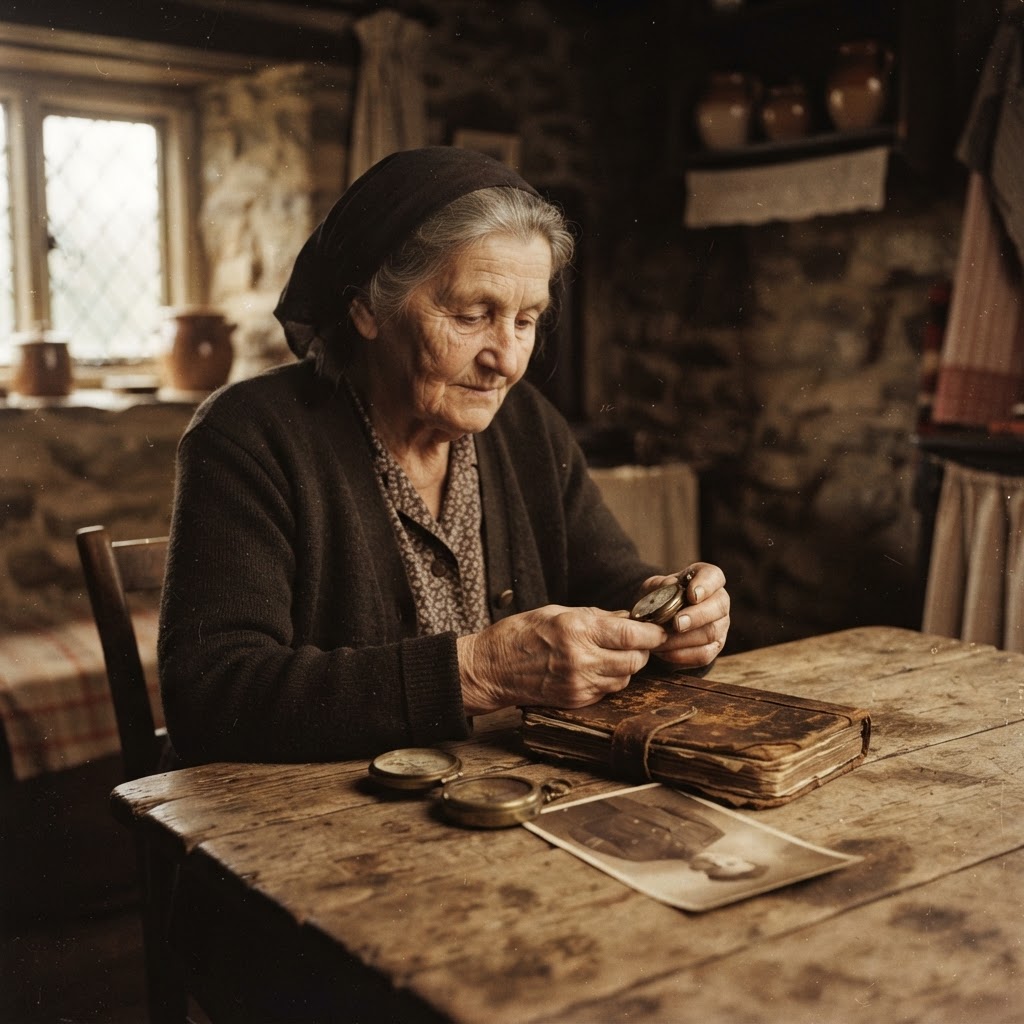
The Button: A Tiny Fastener with a Massive Legacy
From ancient decorative knots to modern industrial fasteners, the button has quietly shaped human fashion and social status for millennia.

The Collector's Paradox: Finding Order in Chaos
Collecting is a deeply human behavior that bridges the gap between a harmless hobby and a complex psychological drive for legacy and control.
🕳️ Want to go deeper?
Keep exploring
What other fashion items have changed gender roles?
How did stirrups change the history of warfare?
Take It With You
A few useful things you picked up
From “High Heels Were Invented for Soldiers”.
Useful Expressions
cavalry
C1 · noun
soldiers who fought on horseback
“The cavalry charged across the field.”
Useful for historical contexts.
imposing
C1 · adjective
grand and impressive in appearance
“The castle was an imposing structure.”
A great word for describing presence.
utilitarian
C1 · adjective
designed to be useful or practical rather than attractive
“The furniture was simple and utilitarian.”
Useful for describing design.
Your English
You don’t need to memorise these now. You’ll meet useful language again as you keep reading.
See you tomorrow.
View your collection