Kotex Pads: A War Invention
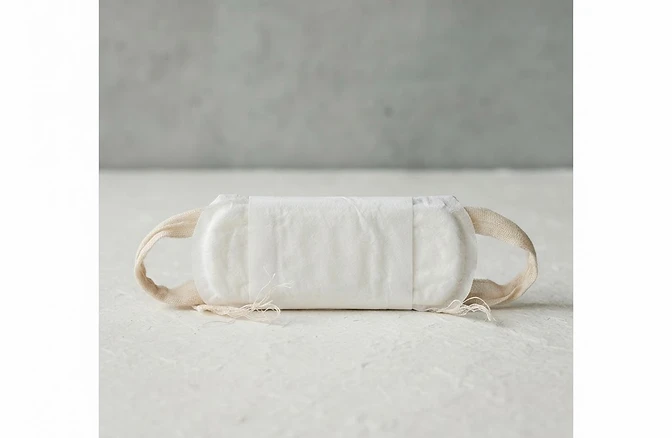
The first disposable sanitary pads were created using a material originally designed for medical bandages during World War I.
Before you read
3 key words from this story
A New Use for Bandages
During World War I, nurses in hospitals had a difficult job. They needed many bandages to help wounded soldiers. They found a special material called 'cellucotton.' It was very good at absorbing liquid. It was also cheap and easy to make. Nurses soon realized that this material could be used for more than just bandages.
From Hospital to Home
After the war, the company that made this material looked for new ways to use it. They realized that women needed a better way to manage their periods. At that time, women used cloth that they had to wash and reuse. It was not very convenient. The company created the first disposable sanitary pad using the same material from the hospital bandages.
The company created the first disposable sanitary pad using the same material from the hospital bandages.
Changing the Conversation
In 1921, the company started to advertise these pads. This was a big deal. Before this, people did not talk about menstruation in public. It was a private, hidden topic. By putting ads in magazines, the company helped change how society talked about women's health. It was the first time a product like this was sold on a large scale.
The Power of a Name
They called the product 'Kotex.' The name was important. It was short and easy to remember. The company wanted women to feel comfortable buying it in stores. They made sure the product was available in shops that women visited often. This helped make the product a normal part of everyday life.
A Lasting Impact
Today, we take these products for granted. But the story of Kotex shows how a simple invention can change lives. It started as a way to help soldiers, but it ended up changing how women lived. It is a great example of how technology from one area can solve problems in a completely different part of life.
You're done
You just spent 3 minutes reading in English.
Enjoyed this story?
Tap the heart to let other readers know you enjoyed it.
My notes
Jot down personal reflections while you read — saved so you can review them later.
Check your understanding
4 questions with instant feedback
Let's talk about it
4 questions to spark conversation
Join the conversation
Your English doesn't have to be perfect — your ideas are what matter.
Respond to a question
Or share your reaction
No thoughts yet — be the first to start the discussion.
More from today

The Rubber Eraser: A Mistake That Changed Writing
Before the rubber eraser, people used bread to fix their writing mistakes.


The Secret Language of Bees: How They Talk
Bees use a complex dance to tell their friends exactly where to find the best flowers.
🕳️ Want to go deeper?
Keep exploring
What other medical inventions were created during wartime?
How has the marketing of personal care products changed over the last 100 years?
Take It With You
A few useful things you picked up
From “Kotex Pads: A War Invention”.
Useful Expressions
disposable
B1 · adjective
intended to be used once and then thrown away
“These pads are disposable.”
Common term for modern consumer goods.
absorb
B1 · verb
to take in liquid
“The material was good at absorbing liquid.”
Useful for describing how materials work.
convenient
A2 · adjective
easy to use or helpful
“It is very convenient to have a store nearby.”
Very common everyday word.
Your English
You don’t need to memorise these now. You’ll meet useful language again as you keep reading.
See you tomorrow.
View your collection