Paper: The Material That Built Modern Civilization
From ancient bark to the digital age, paper has been the primary vessel for human knowledge, bureaucracy, and art.
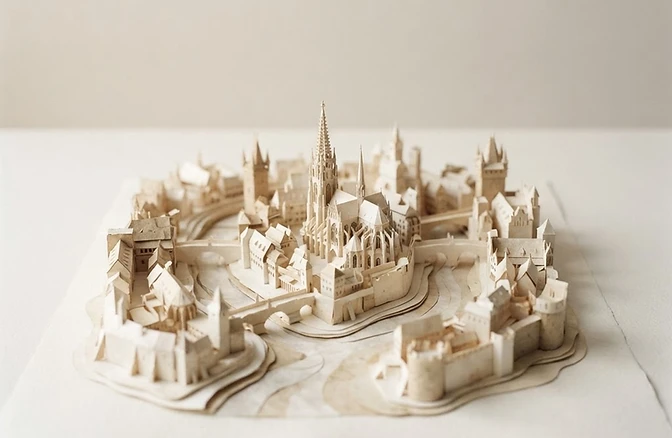
Before you read
3 key words from this story
A Humble Beginning
Before the widespread use of paper, humanity relied on heavy, expensive, or fragile materials to record information. Stone, clay tablets, and animal skins were the standard, but they were difficult to transport and store. The invention of paper—initially made from bark, hemp, and later mulberry—revolutionized how we communicate. It allowed for the mass production of ideas, effectively democratizing knowledge in a way that had never been possible before.
The Shift in Materials
While we often think of paper as a singular product, its history is a story of constant innovation. During the Han dynasty, bark paper emerged as a practical alternative to silk. As the technology moved through the Tang dynasty, the use of rattan and mulberry bark became the standard. This evolution was driven by the need for cheaper, more abundant materials that could keep up with the growing demands of a complex, literate society.
It allowed for the mass production of ideas, effectively democratizing knowledge in a way that had never been possible before.
Bureaucracy and the Written Word
Paper did more than just hold literature; it built empires. The ability to create standardized forms, maps, and records allowed governments to manage vast territories with unprecedented efficiency. Without the portability of paper, the administrative structures of the modern world would have been impossible to maintain. It turned the abstract power of the state into a tangible, recordable reality.
The Digital Paradox
In our current era, we often hear about the 'paperless office,' yet paper consumption remains surprisingly high. Despite the rise of digital screens, we still find comfort and utility in the physical page. There is a unique cognitive benefit to reading on paper that digital devices have yet to fully replicate. As we move further into the future, paper remains a resilient technology, proving that even in a digital world, some things are better held in the hand.
You're done
You just spent 3 minutes reading in English.
Enjoyed this story?
Tap the heart to let other readers know you enjoyed it.
My notes
Jot down personal reflections while you read — saved so you can review them later.
Check your understanding
4 questions with instant feedback
Let's talk about it
4 questions to spark conversation
Join the conversation
Your English doesn't have to be perfect — your ideas are what matter.
Respond to a question
Or share your reaction
No thoughts yet — be the first to start the discussion.
More from today

The Collector's Impulse: Finding Meaning in Objects
Collecting is far more than a simple hobby; it is a complex psychological engagement that helps us define our identity and connect with the world.


The Four-Pronged Standard: A Culinary Evolution
The fork was once a scandalous luxury item, viewed with suspicion by the elite and the church before becoming a staple of the modern table.
🕳️ Want to go deeper?
Keep exploring
How did the invention of the printing press change the value of paper?
What are the environmental impacts of modern paper production?
Take It With You
A few useful things you picked up
From “Paper: The Material That Built Modern Civilization”.
Useful Expressions
vessel
C1 · noun
A container or a medium for something.
“Paper has been the primary vessel for human knowledge for centuries.”
A sophisticated way to describe a medium that carries information.
democratize
C1 · verb
To make something accessible to everyone.
“The internet helped democratize access to information.”
Very common in discussions about technology and society.
resilient
C1 · adjective
Able to withstand or recover quickly from difficult conditions.
“Paper has proven to be a resilient technology despite the digital age.”
A strong, useful word for describing things that last.
Your English
You don’t need to memorise these now. You’ll meet useful language again as you keep reading.
See you tomorrow.
View your collection