The Collector's Impulse: Finding Meaning in Objects
Collecting is far more than a simple hobby; it is a complex psychological engagement that helps us define our identity and connect with the world.
Before you read
3 key words from this story
The Drive to Gather
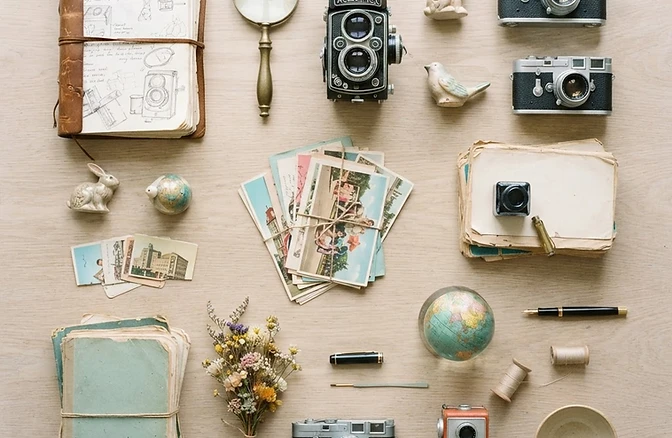
Most of us have, at some point, felt the urge to gather items—be it stamps, vintage records, or rare coins. While outsiders might dismiss this as mere clutter or an eccentric obsession, psychologists view collecting as a sophisticated way of interacting with our environment. It is not a withdrawal from reality, but rather a deliberate attempt to curate a piece of the world that reflects our personal values and interests.
Five Faces of the Collector
Research suggests that collectors are not a monolithic group. Instead, they often fall into distinct categories based on their primary motivations. Investors seek financial appreciation, while sentimentalists hold onto objects to preserve memories of the past. Curators find joy in the act of organizing and displaying knowledge, players enjoy the thrill of the hunt, and identity-seekers use their collections to signal who they are to the world. Each of these paths offers a unique psychological reward.
Five Faces of the Collector Research suggests that collectors are not a monolithic group.
Beyond Mere Possession
What separates a healthy collector from a hoarder is the element of intentionality. A collector knows exactly what they have, why they have it, and how it fits into their broader life. This process of identifying, arranging, and saving objects can actually enhance cognitive function and reduce stress. By focusing on a specific domain, the collector develops a deep expertise that provides a sense of mastery and accomplishment in an otherwise unpredictable world.
A Mirror of the Self
Ultimately, our collections serve as an externalized version of our internal landscape. When we surround ourselves with objects that we have carefully selected, we are creating a physical manifestation of our identity. This engagement with material culture allows us to feel more grounded, providing a tangible connection to history, art, or personal experience that remains stable even when our daily lives feel chaotic.
You're done
You just spent 3 minutes reading in English.
Enjoyed this story?
Tap the heart to let other readers know you enjoyed it.
My notes
Jot down personal reflections while you read — saved so you can review them later.
Check your understanding
4 questions with instant feedback
Let's talk about it
4 questions to spark conversation
Join the conversation
Your English doesn't have to be perfect — your ideas are what matter.
Respond to a question
Or share your reaction
No thoughts yet — be the first to start the discussion.
More from today

Paper: The Material That Built Modern Civilization
From ancient bark to the digital age, paper has been the primary vessel for human knowledge, bureaucracy, and art.


The Four-Pronged Standard: A Culinary Evolution
The fork was once a scandalous luxury item, viewed with suspicion by the elite and the church before becoming a staple of the modern table.
🕳️ Want to go deeper?
Keep exploring
What is the difference between a collection and a hoard?
How has the internet changed the way people collect items?
Take It With You
A few useful things you picked up
From “The Collector's Impulse: Finding Meaning in Objects”.
Useful Expressions
monolithic
C2 · adjective
Large, powerful, and uniform; not allowing for change or individuality.
“Collectors are not a monolithic group; they have many different motivations.”
Useful for describing groups that are wrongly assumed to be the same.
curate
C1 · verb
To select, organize, and look after items in a collection.
“She spends her weekends curating her collection of vintage postcards.”
Commonly used in digital and professional contexts today.
intentionality
C1 · noun
The quality of being done on purpose.
“He approaches his hobby with great intentionality.”
A sophisticated way to talk about doing things with a clear goal.
Your English
You don’t need to memorise these now. You’ll meet useful language again as you keep reading.
See you tomorrow.
View your collection