The Alarm Clock: A History of Waking Up
From water-powered devices to digital beeps, the evolution of the alarm clock reflects our changing relationship with time.
Before you read
3 key words from this story
Highlight a sentence, leave a note
Select any sentence in the story to share what you think. Your notes appear right on the text, so your classmates can read them, react, and reply — exactly where it matters.
What it looks like
The river carved its path through the valley as the town looked on.
3 notes · click any highlight to read them
The Need to Wake
For most of human history, the sun was our only alarm clock. As societies became more structured, however, the need to wake up at a specific time became vital. Early civilizations used water clocks, which would drip until a certain level was reached, triggering a sound. It was a clever, if somewhat unreliable, way to start the day.
The Mechanical Revolution
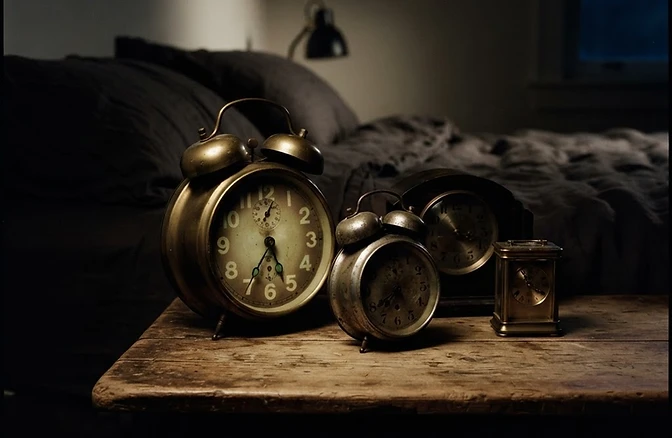
As the Industrial Revolution took hold, the need for punctuality became even more critical. Factories required workers to arrive at the same time every day. This led to the invention of mechanical alarm clocks. These devices used gears and springs to trigger a bell or a hammer at a set time. They were loud, reliable, and changed the way people lived their lives.
These devices used gears and springs to trigger a bell or a hammer at a set time.
The Digital Shift
In the late 20th century, the digital alarm clock arrived. These devices were smaller, cheaper, and more accurate than their mechanical ancestors. However, they also introduced a new problem: the sound. Digital alarms often used harsh, repetitive beeps that were designed to be impossible to ignore. This shift from the gentle ring of a bell to the sharp buzz of a digital signal changed the 'worst part of waking up' forever.
The Modern Morning
Today, most of us use our smartphones as alarm clocks. We have moved from physical objects to digital apps that offer everything from soothing nature sounds to complex puzzles we must solve to turn the alarm off. Yet, the core problem remains: we are still trying to force our bodies to wake up when they might prefer to stay asleep. The history of the alarm clock is, in many ways, the history of our struggle against our own biology.
You're done
You just spent 3 minutes reading in English.
Enjoyed this story?
Tap the heart to let other readers know you enjoyed it.
My notes
Jot down personal reflections while you read — saved so you can review them later.
Check your understanding
4 questions with instant feedback
Let's talk about it
4 questions to spark conversation
Join the conversation
Your English doesn't have to be perfect — your ideas are what matter.
Respond to a question
Or share your reaction
No thoughts yet — be the first to start the discussion.
More from today

The Office: A History of the Modern Workspace
The physical design of the office has evolved from rigid hierarchies to open-plan layouts, reflecting changing attitudes toward work and collaboration.
The Velcro Story: A Walk in the Woods
A simple hike with a dog led to the invention of one of the world's most useful fastening systems.
🕳️ Want to go deeper?
Keep exploring
How do sleep cycles work?
Why do we dream?
Take It With You
A few useful things you picked up
From “The Alarm Clock: A History of Waking Up”.
Useful Expressions
punctuality
B2 · noun
The habit of being on time.
“Punctuality is very important in many workplaces.”
A key concept in professional and social life.
trigger
B2 · verb
To cause something to start or happen.
“The water level would trigger a sound.”
Useful for describing cause-and-effect relationships.
ancestor
B2 · noun
A thing that came before another in a series.
“Mechanical clocks are the ancestors of digital ones.”
A metaphorical way to describe the history of technology.
Your English
You don’t need to memorise these now. You’ll meet useful language again as you keep reading.
See you tomorrow.
View your collection