The Lunchbox: A History of the Working Man's Meal
From mining camps to schoolyards, the humble lunchbox has evolved alongside our changing work habits.
Before you read
4 key words from this story
The Early Days of the Tin Box
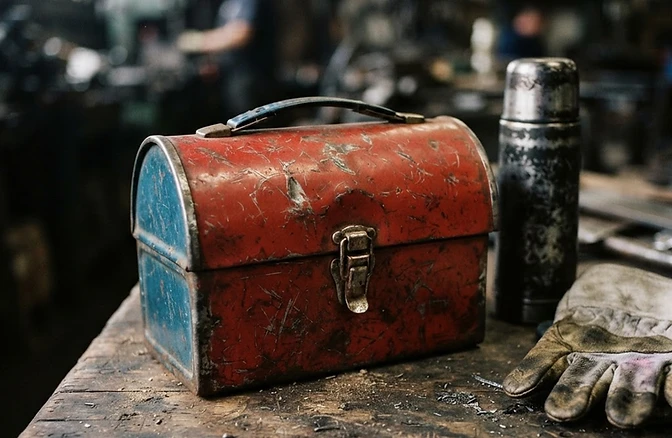
Before the modern plastic lunchbox, workers carried their meals in simple containers. In the 19th century, miners and factory workers often used metal tins or even old tobacco boxes to keep their food safe from dust and dirt. These early containers were not about style; they were about survival. A worker needed a way to keep their bread and meat clean in a dirty, dangerous environment.
The Rise of the School Lunchbox
As the 20th century progressed, the lunchbox moved from the factory floor to the schoolyard. In the 1950s, companies began to see an opportunity to market these boxes to children. They started decorating them with popular cartoon characters and television shows. Suddenly, the lunchbox was not just a container for a sandwich; it was a way for a child to show their personality and interests to their friends.
The Rise of the School Lunchbox As the 20th century progressed, the lunchbox moved from the factory floor to the schoolyard.
A Cultural Icon
By the 1970s and 80s, the lunchbox had become a cultural icon. Children would collect them, and the designs became more elaborate. Some were made of metal, while others were plastic. They were a staple of the school experience, and for many, they bring back strong feelings of nostalgia. The lunchbox was a small, private space that a child could call their own during the busy school day.
The Shift to Modernity
Today, the traditional lunchbox has changed again. Many people now prefer soft, insulated bags that are easier to carry and keep food cold. The focus has shifted toward health and convenience. We are more concerned about what we eat and how we store it. While the classic metal box is now a collector's item, the idea behind it remains the same: a simple way to take a piece of home with us to work or school.
The Future of the Meal
As our work habits continue to change, so will the way we carry our food. With more people working from home or in flexible offices, the need for a portable lunch container is evolving. Perhaps in the future, we will see new designs that focus on sustainability and technology. No matter how it changes, the lunchbox will always be a symbol of our need to pause, eat, and recharge during the day.
You're done
You just spent 3 minutes reading in English.
Enjoyed this story?
Tap the heart to let other readers know you enjoyed it.
My notes
Jot down personal reflections while you read — saved so you can review them later.
Check your understanding
4 questions with instant feedback
Let's talk about it
4 questions to spark conversation
Join the conversation
Your English doesn't have to be perfect — your ideas are what matter.
Respond to a question
Or share your reaction
No thoughts yet — be the first to start the discussion.
More from today
The First Vending Machine Dispensed Holy Water
Long before modern snacks and sodas, an ancient Greek inventor created a machine to automate the distribution of holy water in temples.


Fingerprints: More Than Just a Crime-Solving Tool
While we use them to unlock phones and catch criminals, fingerprints likely evolved for a much more practical, biological reason.
🕳️ Want to go deeper?
Keep exploring
How has the school lunch menu changed over the last 50 years?
What are the most popular lunch foods in different countries?
Take It With You
A few useful things you picked up
From “The Lunchbox: A History of the Working Man's Meal”.
Useful Expressions
portable
B2 · adjective
easy to carry or move from one place to another
“This laptop is very portable and fits in my bag.”
Useful for describing modern technology and tools.
elaborate
B2 · adjective
having many complex details
“The wedding cake had an elaborate design with many flowers.”
Good for describing designs or plans.
nostalgia
B2 · noun
a feeling of pleasure and slight sadness when thinking about the past
“Looking at old photos always gives me a sense of nostalgia.”
Commonly used to describe feelings about the past.
recharge
B2 · verb
to get back your energy or strength
“I need a short break to recharge before I finish my work.”
Useful for talking about rest and work-life balance.
Your English
You don’t need to memorise these now. You’ll meet useful language again as you keep reading.
See you tomorrow.
View your collection