Your Kitchen Sponge Is Dirtier Than Your Toilet
Scientific studies show that the humble kitchen sponge is one of the most bacteria-filled items in a typical home.
Before you read
4 key words from this story
Highlight a sentence, leave a note
Select any sentence in the story to share what you think. Your notes appear right on the text, so your classmates can read them, react, and reply — exactly where it matters.
What it looks like
The river carved its path through the valley as the town looked on.
3 notes · click any highlight to read them
A Surprising Discovery
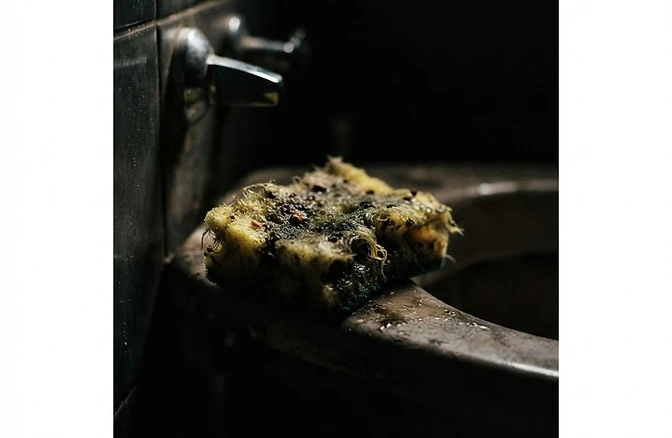
We use sponges every day to clean our plates, cups, and kitchen counters. We assume that because they are used for cleaning, they must be clean themselves. However, science tells a different story. A kitchen sponge is actually one of the dirtiest items in your entire house. It is a perfect home for millions of tiny germs.
Why Sponges Are So Dirty
Why do sponges hold so much bacteria? The answer is simple: they are wet, warm, and full of tiny holes. Bacteria love these conditions. When you wipe up food scraps or spills, you are feeding the bacteria. Because the sponge stays damp for a long time, these germs can grow very quickly. In just a few hours, a clean sponge can become full of millions of bacteria.
A Surprising Discovery We use sponges every day to clean our plates, cups, and kitchen counters.
Comparing the Sponge to the Toilet
Studies have compared the number of bacteria on a kitchen sponge to the number of bacteria on a toilet seat. The results are shocking. A single sponge can have 200,000 times more bacteria per square inch than a toilet seat. While this sounds scary, it is important to remember that not all bacteria are harmful. However, some types of bacteria found in sponges can make people sick.
How to Keep Your Kitchen Clean
Does this mean you should stop using sponges? Not necessarily. But you should be careful. Experts suggest replacing your sponge often, perhaps every week. You can also try to keep it as dry as possible between uses. Some people even put their sponges in the microwave or the dishwasher to kill the germs. By taking these small steps, you can keep your kitchen much cleaner and safer for your family.
You're done
You just spent 3 minutes reading in English.
Enjoyed this story?
Tap the heart to let other readers know you enjoyed it.
My notes
Jot down personal reflections while you read — saved so you can review them later.
Check your understanding
4 questions with instant feedback
Let's talk about it
4 questions to spark conversation
Join the conversation
Your English doesn't have to be perfect — your ideas are what matter.
Respond to a question
Or share your reaction
No thoughts yet — be the first to start the discussion.
More from today

The Rubber Eraser: A Mistake That Changed Writing
Before the rubber eraser, people used bread to fix their writing mistakes.

The Secret Language of Bees: How They Talk
Bees use a complex dance to tell their friends exactly where to find the best flowers.
🕳️ Want to go deeper?
Keep exploring
What are the cleanest items in a typical house?
How do germs spread in a kitchen?
Take It With You
A few useful things you picked up
From “Your Kitchen Sponge Is Dirtier Than Your Toilet”.
Useful Expressions
bacteria
A2 · noun
very small living things that can cause disease
“Wash your hands to get rid of bacteria.”
Essential scientific term.
damp
B1 · adjective
slightly wet
“The clothes are still damp from the rain.”
Useful descriptive word.
harmful
A2 · adjective
causing or likely to cause damage or harm
“Some chemicals are harmful to the environment.”
Common adjective for health and safety.
replace
A2 · verb
to put something new in the place of something old
“I need to replace my old phone.”
Very common phrasal verb/action.
Your English
You don’t need to memorise these now. You’ll meet useful language again as you keep reading.
See you tomorrow.
View your collection