The Sidewalk: A Four-Inch Mystery
The humble sidewalk is a masterpiece of engineering that shapes how we interact with our cities and each other.
Before you read
4 key words from this story
Highlight a sentence, leave a note
Select any sentence in the story to share what you think. Your notes appear right on the text, so your classmates can read them, react, and reply — exactly where it matters.
What it looks like
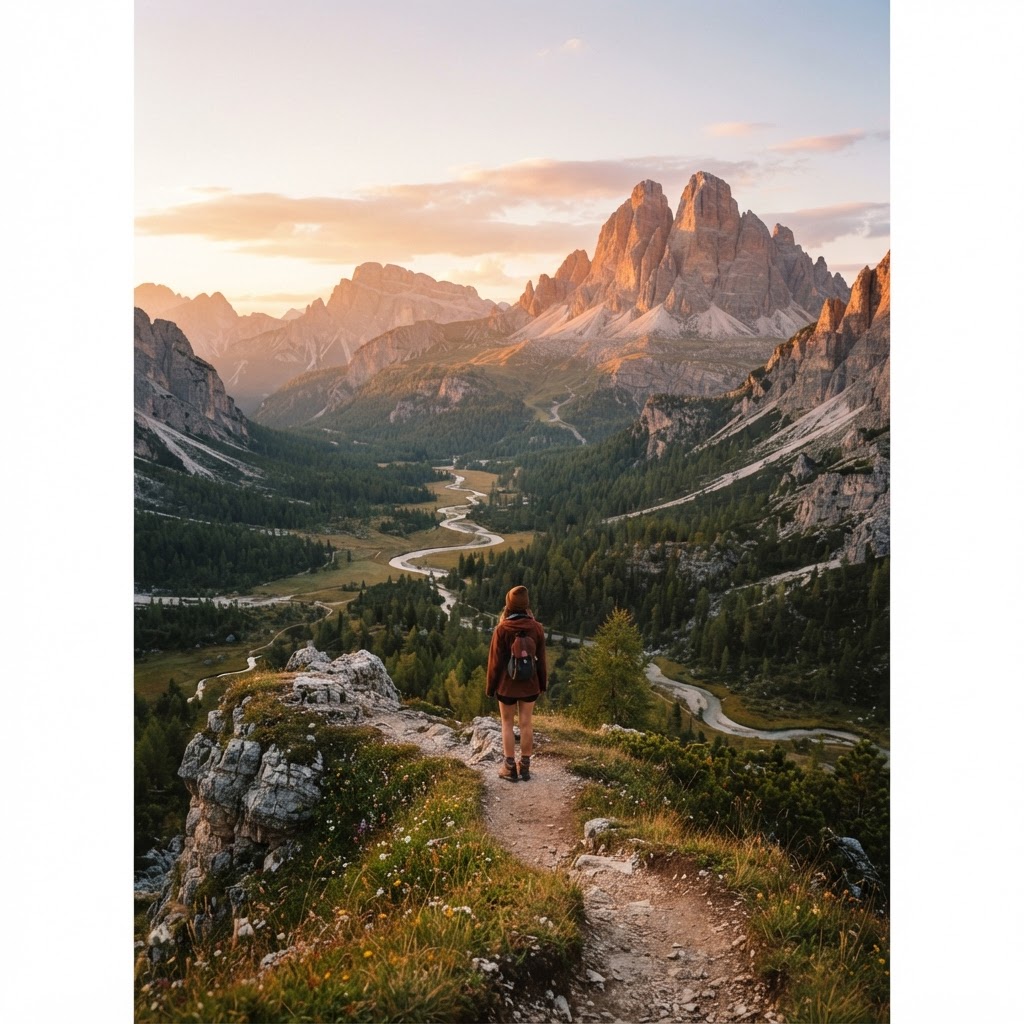
The river carved its path through the valley as the town looked on.
3 notes · click any highlight to read them
More Than Just Concrete
We walk on them every day, but we rarely think about them. The sidewalk is the most common piece of infrastructure in our cities, yet it is often ignored. It is a simple strip of concrete, usually about four inches thick, but it is the foundation of urban life. Without sidewalks, our cities would be nothing more than collections of isolated buildings, impossible to navigate on foot.
The History of the Walk
Sidewalks were not always a standard part of city planning. In the past, streets were shared spaces for horses, carts, and people. As cities grew and traffic became faster, the need for a safe space for pedestrians became clear. The modern sidewalk was born out of a need to separate the slow, human pace of life from the fast, mechanical pace of the street. It was a way to reclaim the city for the people.
Without sidewalks, our cities would be nothing more than collections of isolated buildings, impossible to navigate on foot.
The Engineering of Comfort
Building a good sidewalk is harder than it looks. It needs to be strong enough to handle thousands of footsteps, but also flexible enough to survive changes in temperature. If the concrete is too rigid, it will crack when the ground freezes and thaws. Engineers use specific mixtures and expansion joints to ensure that the sidewalk can 'breathe' and move without breaking. It is a quiet, invisible science beneath our feet.
A Social Space
Beyond the engineering, the sidewalk is a social stage. It is where we meet our neighbors, watch the world go by, and experience the rhythm of our community. It is the 'third place' of the street—a neutral ground where everyone is welcome. When we design better sidewalks, we are not just building paths; we are building opportunities for human connection.
The Future of the Path
As we look toward the future, the sidewalk is changing. We are seeing more green spaces, better lighting, and designs that prioritize people over cars. The humble sidewalk is finally getting the attention it deserves. It remains the most important tool we have for creating cities that are not just efficient, but also human.
You're done
You just spent 3 minutes reading in English.
Enjoyed this story?
Tap the heart to let other readers know you enjoyed it.
My notes
Jot down personal reflections while you read — saved so you can review them later.
Check your understanding
4 questions with instant feedback
Let's talk about it
4 questions to spark conversation
Join the conversation
Your English doesn't have to be perfect — your ideas are what matter.
Respond to a question
Or share your reaction
No thoughts yet — be the first to start the discussion.
More from today

The Rubber Eraser: A Mistake That Changed Writing
Before the rubber eraser, people used bread to fix their writing mistakes.

The Secret Language of Bees: How They Talk
Bees use a complex dance to tell their friends exactly where to find the best flowers.
🕳️ Want to go deeper?
Keep exploring
How do different countries design their sidewalks?
What is the history of the 'walk' signal at traffic lights?
Take It With You
A few useful things you picked up
From “The Sidewalk: A Four-Inch Mystery”.
Useful Expressions
Infrastructure
B2 · noun
The basic systems and structures, like roads and bridges, that a city needs to function.
“The city is investing in better infrastructure for pedestrians.”
Essential for discussing urban planning and development.
Pedestrian
B2 · noun
A person who is walking, especially in a city.
“The new design makes the street safer for pedestrians.”
A key term for any discussion about travel and cities.
Rigid
B2 · adjective
Stiff and not able to bend or change.
“The rules were too rigid for the situation.”
Useful for describing materials or social rules.
Neutral ground
B2 · phrase
A place where people can meet without feeling like they are in someone else's territory.
“The park is a neutral ground for the community.”
A great idiomatic expression for social settings.
Your English
You don’t need to memorise these now. You’ll meet useful language again as you keep reading.
See you tomorrow.
View your collection